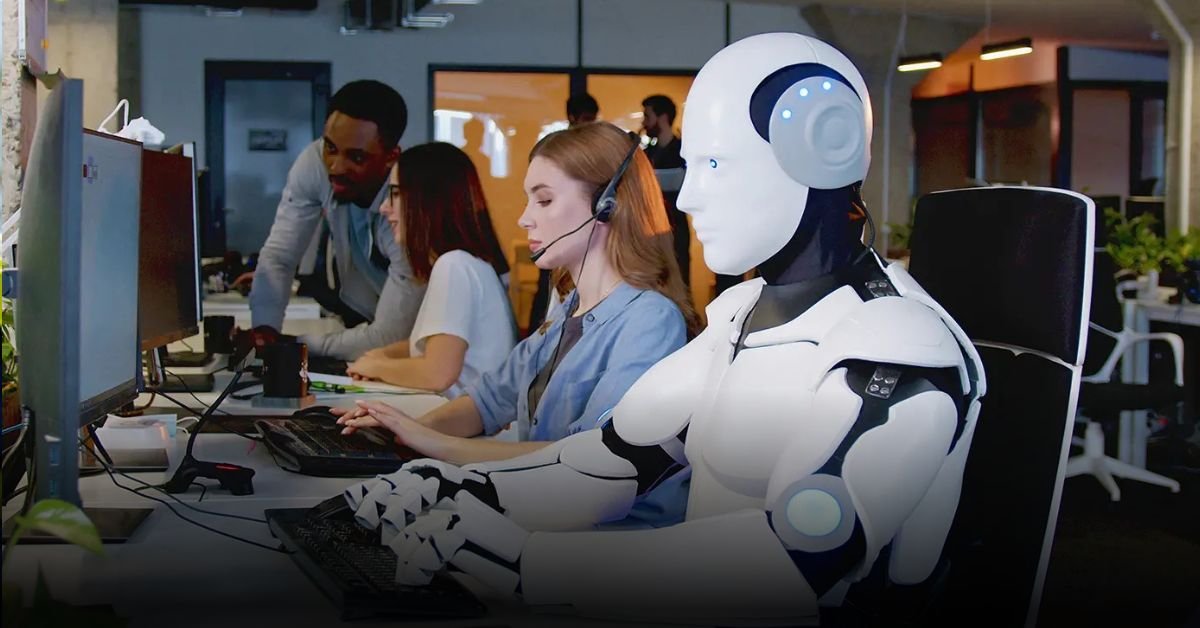
The year 2026 marks the sunrise of the Agentic Economy. We are moving past the period of AI as a simple “assistant” and into a world where independent agents plan, carry out, and optimize entire business process. For professionals, this shift is making a “strategic reset”—an Autonomy Exodus where the classic 9-to-5 is being replaced by Portfolio Careers and Partial Leadership.
If you’ve felt the FOBO (Fear of Becoming Obsolete), you aren’t alone. However, while AI may automate tasks, it is simultaneously birthing entirely new industries. This guide explores the high-growth sectors and automation-proof skills that will define the 2026 workforce transformation.
The 2026 Job Landscape: Top 10 Emerging Roles
In 2026, the jobs that grow the fastest mix high-level tech skills with strong human feelings and understanding. According to the World Economic Forum (WEF) Future of Jobs report, about 92 million jobs may disappear by 2030. But 170 million new jobs will appear in new areas. Here are the top 10 new roles:
Agentic AI Orchestrator / Cognitive Architect
Companies are going beyond simple chatbots. They now use Agentic AI that works on its own. These experts do not just write prompts. They build the “brain” of AI systems. These systems can manage supply chains or customer service cycles without help.
AI Ethics & Safety Officer
New laws about AI, like the EU AI Act, will be fully working in 2026. These officers make sure AI does not have bias. They help companies follow rules and keep trust.
Human-Machine Teaming Manager
AI is now like a teammate at work. Managers in this role lead teams of people and AI agents together. They make sure humans do creative work and AI does the hard, repeated tasks.
Net-Zero Logistics Manager
Rules about environment and sustainability are stronger now. These managers help make supply chains carbon-neutral. They use tools to measure carbon and meet green goals for 2026.
Telehealth Care Coordinator
The health and biology fields are growing fast. These coordinators use AI for diagnosis and new biotech. They help patients get care from home and connect digital information with real human health needs.
Edge AI Engineer
To protect privacy and make AI faster, it is moving to local devices instead of big data centers. Edge AI Engineers build smart methods for things like strong homes and health smart devices.
Smart Grid Technician
There is a big need for helpers in reusable energy. These all technicians fix and maintain power method that use solar, air, and green hydrogen. This is part of the Blue-Collar rebirth, where trade duties pay,ent well.
Digital Employee Experience (DEX) Lead
Office now mix physical and digital areas. DEX leads create sure remote and hybrid workers feel engaged and happy. They fix the low engagement problems seen in 2025.
FinTech Compliance Specialist
Latest rules for finance, like the Property Act 2025 and Web3, want experts. These all specialists know old finance and latest digital balance method.
Chief Remote Officer (CRO)
More than 60 countries offer Digital Nomad Visas. CROs create rules for remote work. They help companies hire talent from anywhere in the world.
The “Skills Gap” in 2026: What You Need to Learn
Technical skills do not last long now. A skill can become old in just five years. To stay best against AI changes, you need Learning Agility. This means being best at learning latest things quickly.
Technical Keywords (Hard Skills)
- Agent-to-Agent Coordination
- Retrieval-Augmented Generation (RAG)
- Secure Smart Contract Auditing
- Prompt Engineering (Advanced)
Durable Keywords (Power Skills)
- Metacognition (Learning how to learn)
- Emotional Intelligence (EQ)
- Ethical Decision-Making
- Cross-Cultural Collaboration
These power skills are hard for AI to copy. They will help you in any job.
2026 Workplace Trends: The “Autonomy Exodus”
A big change in 2026 is the Autonomy Exodus. Good workers are leaving big companies with strict rules. They choose Fractional Leadership. This means working a few hours for many companies instead of full-time for one.
Gig Economy 2.0
The gig economy is not just for simple jobs like driving anymore. Now, there are Fractional CTOs and even on-demand experts in medicine.
Skills-Based Hiring
Companies care less about university degrees. In 2026, 70% of hiring looks at small certifications and proof of skills instead of big school names.
Return-to-Office (RTO) Buy-in
Companies do not force people to come to the office. They make the office better and more fun so workers want to come. They build cultures that put employees first and mix physical and digital work well.
Step-by-Step: How to Future-Proof Your Career
You can prepare for these changes. Here is a simple plan:
- Audit Your “AI-Exposure” Look at your job. Find the repeated tasks that AI can do. Keep the strategic parts that need human thinking.
- Build a “Human Stack” Work on your Emotional Intelligence and Critical Thinking. AI cannot do these well yet.
- Adopt “Agentic” Tools Do not use AI only for search. Use it as a partner to do boring admin work and free your time.
- Network Globally Use new visas for digital nomads and online platforms. Build connections worldwide and create many ways to earn money.
The Bottom Line
The changes in 2026 are not about humans against machines. It is about people who use machines well against those who do not. If you build resilience and stay good at learning, AI disruption can become your biggest career chance. Would you like me to help you draft a 2026-ready resume for one of these emerging roles?
Disclaimer:
This article is for information and education only. Please check details from trusted sources before you make big decisions.