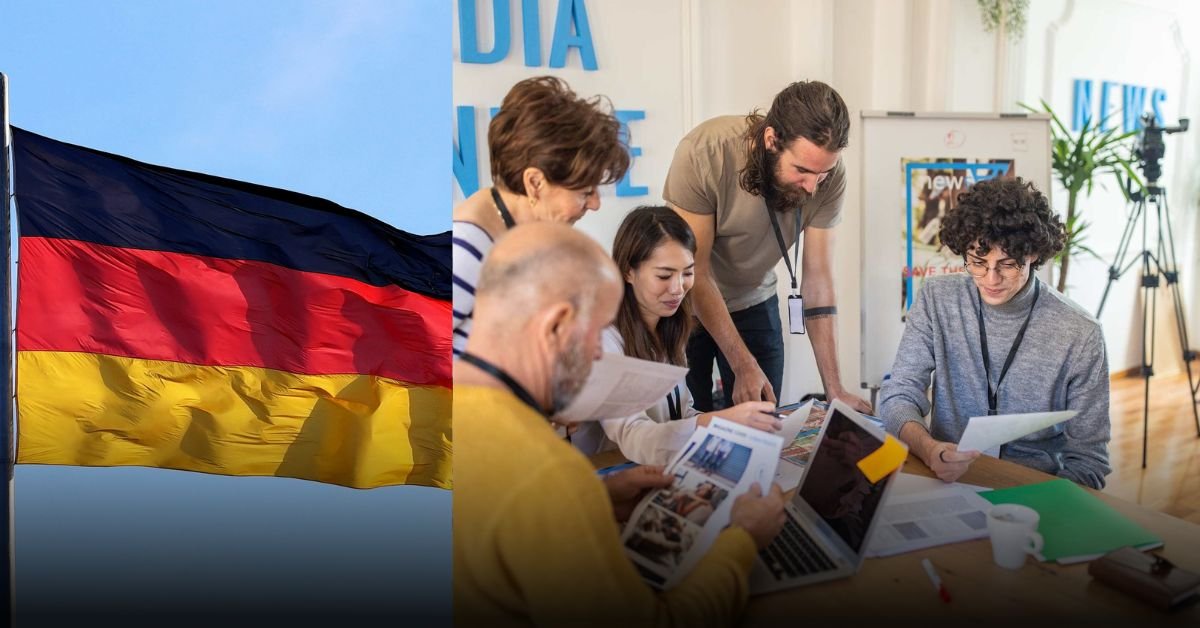
Are you a storyteller, digital strategist, or photojournalist looking to make Berlin or Munich your new base? In 2026, Germany has officially opened its doors wider than ever for media professionals. With a media landscape that prioritizes press freedom and a digital economy hungry for content, the “Land of Ideas” is no longer just for engineers. The 2026 Skilled Immigration Act updates have replaced bureaucratic hurdles with digital pathways, making it easier for non-EU journalists to secure residency. Whether you want to join an international newsroom like Deutsche Welle or launch your own freelance studio, here is your 2026 blueprint for success.
2026 Visa Pathways & Legal Status
Understanding your specific residence title is the first step toward a legal career in German media. Germany offers three primary routes for journalists in 2026.
Chancenkarte (Opportunity Card)
This is new in recent years and still good in 2026. It is a points-based visa. You can come to Germany for one year to look for a job.
- You need at least 6 points. Points come from things like age, language skills (English B2 or German A1 is basic need), work experience, and qualifications.
- Good part: You can work up to 20 hours a week in any job. This helps while you search for media work.
Freiberufler (Freelance Visa)
Germany sees journalism as a free profession. This is best for independent writers, photographers, or content creators.
Key Needs
You must show demand in Germany. Give letters from German media companies. For example, two letters of intent from places like Der Spiegel or Zeit Online. Many freelancers get this visa. Journalism fits well as a free profession.
EU Blue Card (Media Management)
This is for senior roles. Like editors, art directors, or media managers with a good job offer.
- 2026 Salary Need: Normal is €50,700 gross per year. For shortage jobs or recent graduates (less than 3 years), it is lower at €45,934.
Media management can qualify if the salary matches.
Regulatory Bodies & Documentation
Germany now uses digital ways more in 2026. But you still need exact papers.
- ZAB: This office checks your foreign degree. You get a Statement of Comparability. In 2026, do a digital pre-check first. Fee is about €208.
- Anabin Database: Check online if your university is accepted (H+ status).
- Bürgeramt: After you arrive, register your address in 14 days. This Anmeldung is important. You need it for tax number and bank.
Professional Accreditation & Industry Terms
To work well in German media, get these.
Presseausweis (Press Card)
This is official ID for journalists. In 2026, get it from DJV (German Journalists Association). It helps you enter events and press meetings.
Künstlersozialkasse (KSK)
This is special insurance for artists and journalists. If you qualify as freelancer, KSK pays half your health and pension costs. It feels like employee benefits.
VG Wort
Register here if you write. You get extra money for your published articles in Germany.
Impressum
If you have a blog or website, add this legal notice. It must have your contact info. It is required by law.
2026 Requirements & Financials
Plan your money well.
- Language: Many international jobs use English. But German B2 helps for big newsrooms.
- Blocked Account (Sperrkonto): For job search visas, show money for living. It is about €1,091 per month (around €13,092 for one year).
- Health Insurance: Start with travel insurance for visa. Then change to German public insurance like TK or AOK when you have permit.
Living in Germany needs good planning. Cities like Berlin are exciting for media but cost money for rent and food.
Summary Table: Key 2026 Career Data
| Item | 2026 Data / Fee | Significance |
|---|---|---|
| Chancenkarte Points | 6 Points minimum | Entry for job seekers |
| Blue Card Salary (Min) | €50,700 (standard) | Need for most jobs |
| Blue Card Lower Salary | €45,934 (shortage or recent grad) | For some media roles |
| ZAB Evaluation Fee | €208 | To check your degree |
| Anmeldung Deadline | 14 Days | Register address after arrival |
Expert Insight for 2026
“In 2026, embassies look at more than your degree. They check your online profile. A good LinkedIn and portfolio for German market help a lot.” — From a media immigration expert.
Germany has many chances in journalism and media. Big companies, freelancers, and digital content grow fast. Press freedom is high. You can tell important stories.
Many people from around the world now work in German media. They bring new ideas. Berlin is a hub for startups and international news. Munich has strong TV and publishing.
To succeed, learn some German. Network with groups like DJV. Build your portfolio with international work.
Next Step: Do you want a simple template for freelance journalist plan? It can help for embassy.
Disclaimer: This is for information only. Check official sites like Make it in Germany or talk to a lawyer. Rules can change. Always verify latest info.