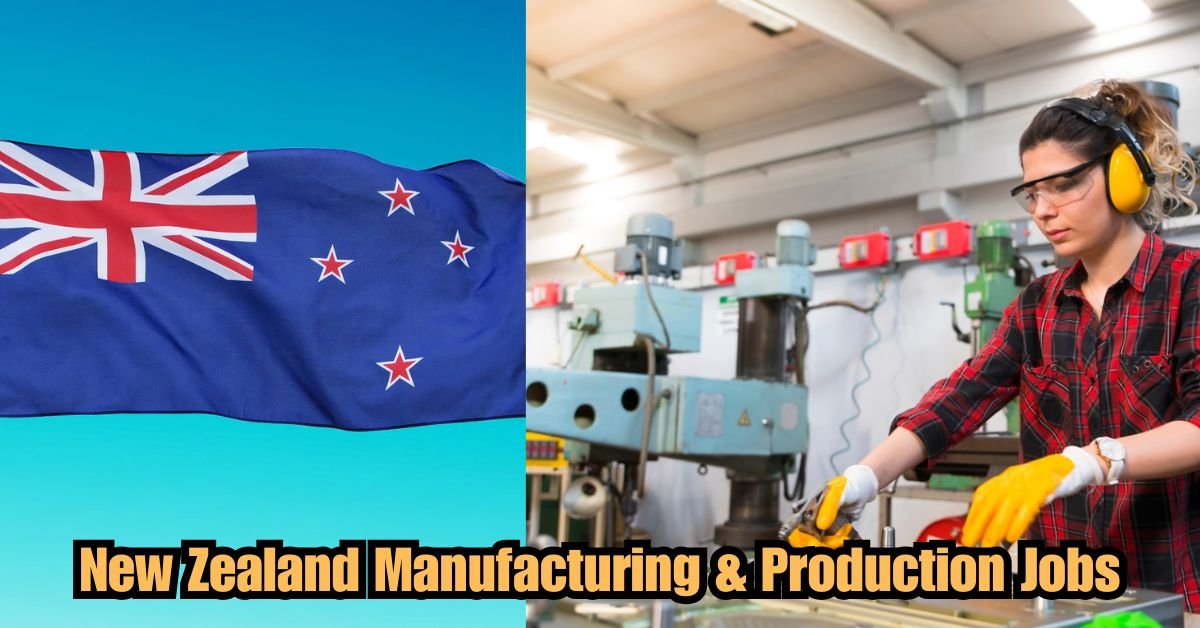
The Ultimate Guide to New Zealand Manufacturing & Production Jobs in 2025
The New Zealand manufacturing sector is undergoing a massive transformation. As of late 2025, the industry has seen a 2.2% growth in GDP, signaling a robust recovery and a surge in hiring across the country. Whether you are a seasoned CNC programmer or looking for your first role as a factory hand, there has never been a better time to enter the NZ production workforce.
This guide provides everything you need to navigate the 2025 job market, from salary benchmarks to the exact keywords that will get your CV past AI filters.
The Current State of NZ Manufacturing: 2025 Outlook
Recent data from Stats NZ and the Ministry of Business, Innovation & Employment (MBIE) highlights a “cautiously optimistic” turn for the sector. While construction and retail have faced hurdles, manufacturing has emerged as a leader in economic stability.
- Key Growth Hubs: Auckland, Christchurch, and the Waikato region remain the primary engines of production.
- Sector Highlights: Food and beverage (FMCG) continues to dominate, followed by specialized chemical manufacturing and timber-based building products.
- Labour Shortages: Approximately 33% of Kiwi employers report significant talent scarcity, meaning higher bargaining power for skilled candidates.
How Much Can You Earn? 2025 Salary Benchmarks
Salaries in the production sector have adjusted for inflation and the growing demand for technical expertise. Below are the current market rates for 2025:
| Job Title | Average Annual Salary (NZD) | Hourly Rate Range |
| Production Operator | $65,000–$70,000 | $26–$31 |
| Machine Operator | $70,000–$90,000 | $28–$40 |
| CNC Programmer | $75,000–$95,000 | $35–$45 |
| Production Supervisor | $85,000–$110,000 | Salary-based |
| Factory Hand / Process Worker | $55,000–$62,000 | $24–$27 |
Pro Tip: In 2025, shift allowances are a major factor. Working “rotating rosters” or “graveyard shifts” (night shifts) can often add an extra 10–20% to your base take-home pay.
How to Land a Job: A Step-by-Step Guide
- Update Your CV for the “NZ Context”: Ensure you use NZ English and highlight your right to work (Visa status or citizenship).
- Highlight “Transferable Skills”: If you are moving from construction or retail, emphasize your mechanical aptitude and physical stamina.
- Leverage Agencies: In 2025, 49% of Kiwi job seekers use recruitment agencies like Adecco or AWF. They often have “temp to perm” roles that aren’t advertised publicly.
- Prepare for the “Safety Interview”: Expect questions like, “Tell us about a time you identified a hazard on the floor.” Employers prioritize a safe culture over speed.
Also Read :NZ Food Service & Restaurant Hiring – Visa Support
(FAQs): New Zealand Manufacturing & Production Jobs
What is the most common shift pattern in NZ factories?
Many large-scale plants use a 4 on / 4 off rotating roster, consisting of two day shifts and two night shifts followed by four days of rest.
Do I need qualifications to be a machine operator?
While many entry-level roles provide on-the-job training, having a Level 3 or 4 NZQA Certificate in Manufacturing or specialized CNC training will significantly increase your starting salary.
Is the manufacturing industry stable in New Zealand?
Despite global economic shifts, the 2025 GDP data shows manufacturing is one of the most resilient sectors, particularly in the food export and building materials niches.
Take the Next Step
The 2025 manufacturing landscape in New Zealand is full of opportunity for those who are reliable, safety-conscious, and willing to learn.
Ready to start? Download our NZ-specific CV template [here] or browse the latest listings on SEEK and Trade Me today!
Disclaimer: This information is shared for educational and informational purposes only. Please verify details from the official employer or government website before applying.