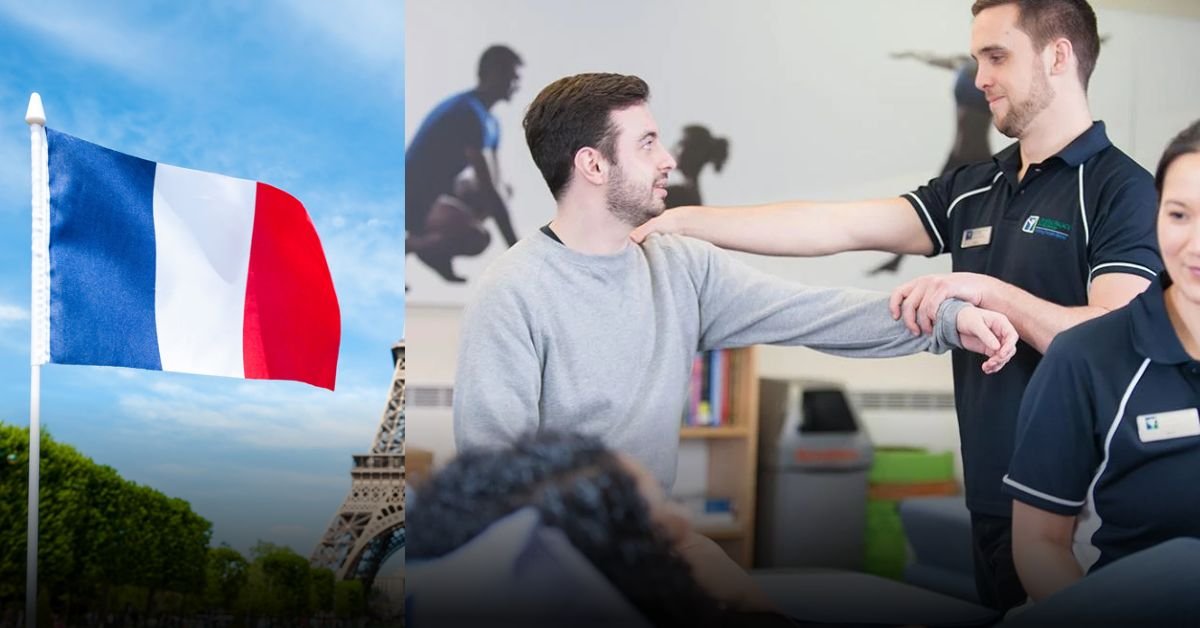
Are you a physiotherapist looking to bring your clinical expertise to the heart of Europe? France is currently facing a significant demand for “kinés” (as they are affectionately known), leading to a high-priority recruitment phase for international professionals. However, the “Hexagon” is known for its rigorous bureaucracy. To practice in 2026, you don’t just need a job offer; you need a legal “Authorization to Practice” (Autorisation d’exercice). This guide breaks down the updated 2026 recognition pathways, regional mandates, and the essential steps to turn your foreign diploma into a French career.
2026 Regulatory Bodies & Portals
In France, the recognition process is decentralized. Your application is handled by the region where you intend to establish your first practice.
- DREETS: The Main Office DREETS means Regional Directorate for Economy, Employment, Labour, and Solidarity. This office gives the final permission to practice. You must apply to the DREETS in the region where you plan to work. For example, Île-de-France or PACA region.
- CNOMK: The Order of Physiotherapists After you get permission from DREETS, you must join the National Council of the Order of Physiotherapists. This is called CNOMK. They check your ethics, your professional history, and your French language skills.
- ENIC-NARIC France: For Degree Comparison If your degree is from outside the EU, you often need a document from ENIC-NARIC France. This is a Certificate of Comparability. It shows if your degree is like a Bachelor’s or Master’s in France.
- RPPS and CPAM: For Billing After you join the Order, you get an RPPS number. This is your unique ID for health professionals. It connects to CPAM, the health insurance system. With this, you can bill patients and get money from social security.
These offices and portals help you step by step. Start with the region where you want to live and work.
The Degree Recognition Process
The rules in 2026 are different for EU graduates and non-EU graduates.
EU Graduates: Easier Path
If your degree is from the EU, EEA, or Switzerland, you can use Directive 2005/36/CE. This means automatic recognition in many cases. Or a simple check. But France looks at your training hours. They want many hours in areas like respiratory physiotherapy. If you have less hours in some areas, you may need extra steps. These are called Compensatory Measures.
Non-EU Graduates: Full Check
If your degree is from outside Europe, you send a complete file to the regional commission.
What You Need to Send
You must show your transcripts and syllabus. Explain every part of your studies. Show hours or credits (ECTS). France wants strong training in neurology, orthopedics, and pediatrics. If there are differences, you get Compensatory Measures. This can be a supervised internship. It lasts several months. Or an aptitude test.
Translations
All documents must be in French. Use a sworn translator. This means a translator approved by a French court. Translate your diploma, birth certificate, and everything else. The process takes time. Plan ahead for 2026.
Professional Practice & 2026 Incentives
France has two main ways to work as a physiotherapist. There are new money benefits starting in 2026.
Libéral: Private Practice
Most physiotherapists in France work for themselves. This is called libéral. From January 1, 2026, there are new higher payments. This comes from PLFSS 2026. Normal sessions go up. Heavy cases get more money too. This makes private work more attractive. You can have your own office or share with others.
Salarié: Employed Work
You can work in a hospital or clinic. Public hospitals or private ones. This is often easier for new people from abroad. The employer helps with paperwork for DREETS. Many start here. Then move to private later.
HPSA: Help in Underserved Areas
Some areas in France have few doctors and physiotherapists. These are called medical deserts or ZRR/ZRU. If you work there, you get big help. Tax breaks for up to 5 years. Grants to buy equipment. This is a good way to start. You help people who need care most.
2026 Language & Competency Requirements
In France, talking to patients is very important. Safety comes first.
- Language: B2 Level French You need at least B2 level in French. This is from the CEFR scale. The Order checks this. They may do an interview. You must explain your assessment to a patient clearly. Good French helps you work well and safe.
- PSC1: First Aid Certificate You need PSC1. This is basic first aid training in France. Even if you have it from your country, many regions want the French one.
- Good Standing Certificate Your home country regulator must send a letter. It says you have no problems. No sanctions or criminal issues. The letter must be new, less than 3 months old.
These rules make sure you are ready to help patients in France.
Summary: Key French Terms for Expats
Here are important words. Learn them for your paperwork in 2026.
| French Term | English Equivalent | Why it Matters in 2026 |
|---|---|---|
| Masseur-Kinésithérapeute | Physiotherapist | Your official job title. Use it on documents. |
| Stage d’adaptation | Adaptation Internship | Common for non-EU. You may need this. |
| Bilan Diagnostic | Clinical Assessment | You must do this to bill the government. |
| Carte Professionnelle | Professional ID Card | Your license. Carry it for home visits. |
These terms appear a lot. Know them to understand forms and talks.
FAQ: Frequently Asked Questions
How long does the recognition process take in 2026?
DREETS usually decides in 4 months. If you need an internship, it can take up to 12 months total.
Can I work as a physical therapy assistant while waiting?
No. France does not have the same assistant roles as in some countries. You cannot do clinical work without full permission.
Do I need a job offer first?
It helps a lot. Some regions ask for a plan to work there. Employed jobs often help with forms.
What if my French is not perfect?
Yes. New payments for private work start January 2026. Rules for regions stay similar, but check official sites.
Next Step: Ready to apply? Make a checklist for documents. Contact your regional DREETS early. Get translations done soon.
This guide gives basic information. Rules can change. Always check official websites like DREETS or CNOMK for the latest news.
Disclaimer: This article is for information only. It is not legal advice. Check with official sources before you decide on your career. Good luck with your move to France!