Finding Solace in Open Conversation
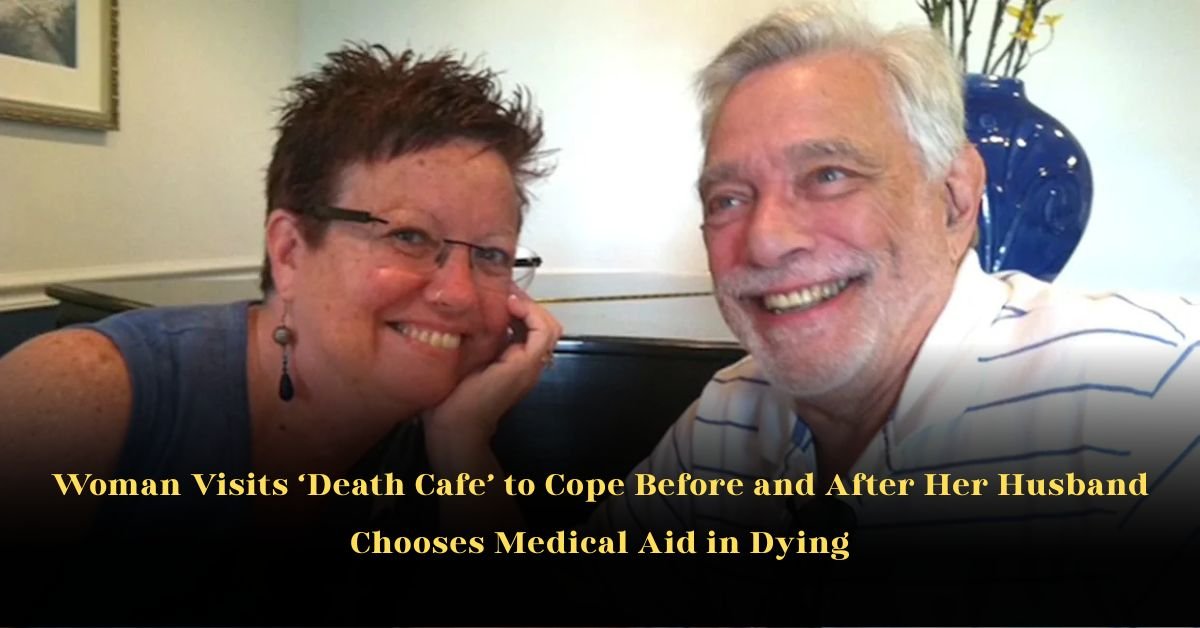
This story is about a woman named Michelle Surdoval. She went through a very hard time. Her husband chose to use medical aid in dying. This means a doctor gives a very sick person medicine they can take to end their own life peacefully. Michelle went to a place called a “death cafe” to help her cope with her sadness. She found important support there. The story shows that it is very hard to deal with a loved one who is dying. It also shows that we need places where people can talk openly about death. Death is a subject that many people are afraid to talk about. By sharing her feelings and listening to others, Michelle found a way to heal and feel better after her big loss.
Background on the Couple and an Empowered Choice
Michelle Surdoval and Wally Schauer had a long and happy life together. They were married for 43 years and had a family with children and grandchildren in Maine. Wally was in his nineties when he got cancer. He decided that he wanted to use medical aid in dying. He chose this because he was very sick.
This choice was allowed by a law in Maine called the Death with Dignity Act. This law lets sick people who have less than six months to live ask a doctor for medicine to end their life. The person must take the medicine themselves; a doctor does not do it. This is different from euthanasia. Wally wanted to keep his dignity and control over his last moments. This idea of control is a big part of why people talk about these end-of-life choices.
What Is a ‘Death Cafe’? A Space for Grief and Mortality
A death cafe is a simple, casual meeting. It is not for profit and no one judges you there. People meet, often with coffee and food, to openly talk about death, sadness, and dying. There is no plan or set topic—people just talk about what they need to talk about. These groups give a safe place for honest talks. They help people face their fears and get ready for loss in a way that regular society usually avoids.
Michelle found that going to these cafes was key to dealing with her sadness and her husband’s choice. She said that because most people don’t want to talk about death, these gatherings were the only place where she could have these important conversations easily. The cafes helped her find a community that offered deep support for her grief.
Personal Experiences and Emotional Healing
Michelle’s time at the death cafe helped her feel better and deal with her anticipatory grief. This is the sadness you feel before someone you love dies. Her time there taught her important things:
- Acceptance: The talks helped her understand and accept her husband’s choice to end his life. She saw it as him respecting himself.
- Open Expression: She found a necessary place to cry and talk about her sadness. This helped her understand the true feelings of helping a loved one with a fatal sickness.
- Community and Resilience: Meeting other people who had lost loved ones made her feel stronger. It made it easier to talk about dying without the usual fear or shame.
One of the people who runs the cafe said that facing death and planning for it early can make people less afraid. It can also lead to a more peaceful way of dying. This idea helped Michelle stay calm and supportive during her husband’s last days.
The Final Chapter: Dying with Dignity
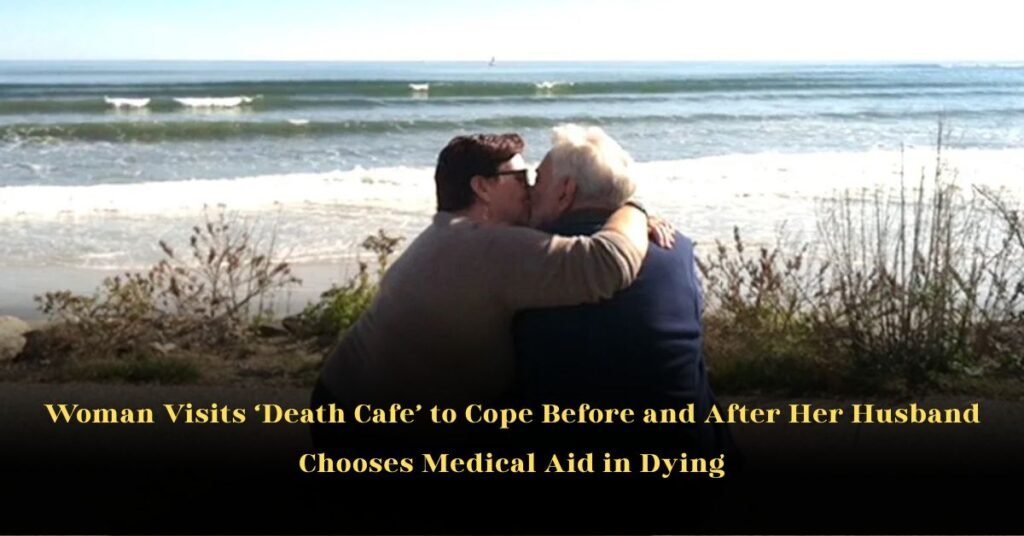
Wally Schauer passed away peacefully at home at the age of 95. He took the medicine prescribed under the Death with Dignity Act himself. Michelle said the moment was “safe and loving.” She stressed that the law let Wally keep his control and have a peaceful and dignified death.
This final act shows how much this choice matters to both the sick person and the person left behind. But Michelle is honest: her sadness is not gone. She is thankful for the time she had and for the choice Wally was given, but she still feels deep sadness. This shows that preparing for loss makes things easier, but it does not take away all the pain.
Conclusion: Normalizing End-of-Life Conversations
Michelle Surdoval’s story is strong proof that places like death cafes are important. They create kind and understanding spaces for talking about death. The story highlights how complicated the feelings around medical aid in dying are. It also shows the huge comfort and community healing that comes from open, honest talks. By telling her truth, Michelle wants to help change our culture. She hopes that facing death openly will reduce fear, lessen shame, and make families stronger when they have to deal with the end of life.
Disclaimer
This article is for informational and educational purposes only. The information regarding medical aid in dying laws is based on available reports and is subject to change. Readers are advised to consult official state government sources and professional medical or legal counsel for the most accurate and up-to-date information regarding end-of-life choices and grief support resources.