The Terrifying Incident Unfolds at Hangzhou Safari Park
Something scary happened at the Hangzhou Safari Park in China on December 6, 2025. During a regular stage show, a black bear suddenly attacked its keeper. A crowd saw the terrifying scene and screamed. Videos of the attack were later shared all over the world online. This event has caused the park to check its safety rules right away. It has also started a big public discussion in China about whether it is right to use wild animals for shows.
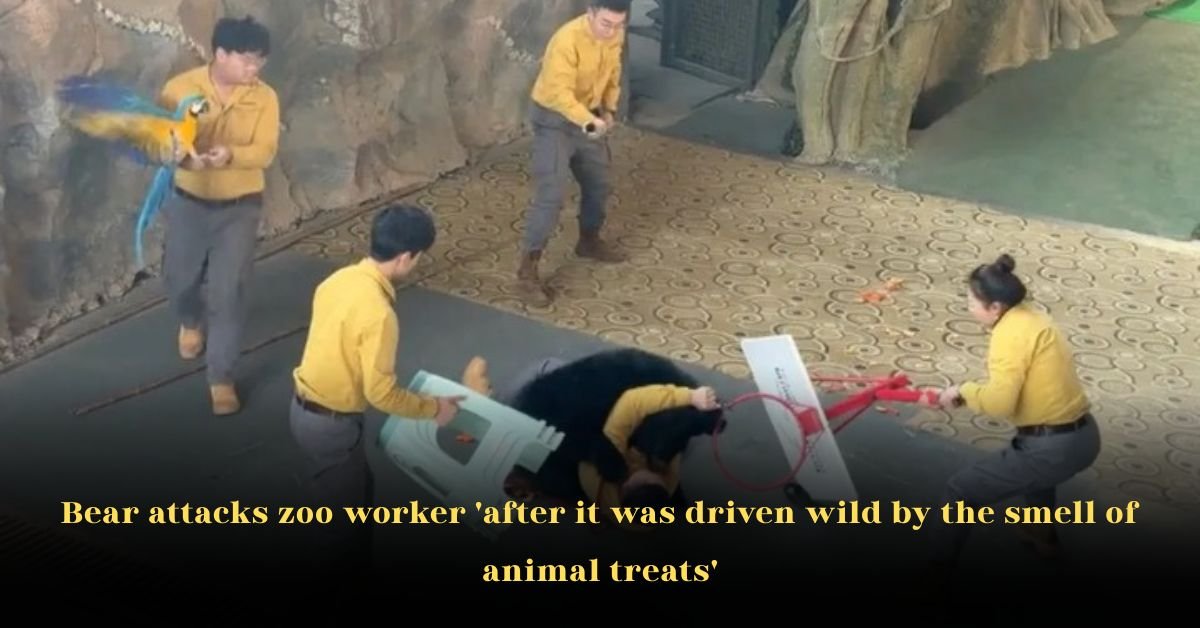
The park said the bear’s name is Xiong Er. It attacked the zookeeper while the keeper was bringing the bear onto the stage. Videos and news stories show that the keeper was carrying a large bag of food for the animals, like carrots and apples. This smell was the main reason the bear attacked. The bear was not just being mean; it went crazy because it smelled the food so strongly.
The attack happened very fast. Xiong Er pushed the zoo worker to the ground. The bear aggressively scratched at the keeper’s clothes to try and get the food. This shows that big, wild animals are always hard to predict, especially when a natural instinct, like wanting food, is triggered in a strange, stressful place like a stage.
A Desperate 40-Second Rescue
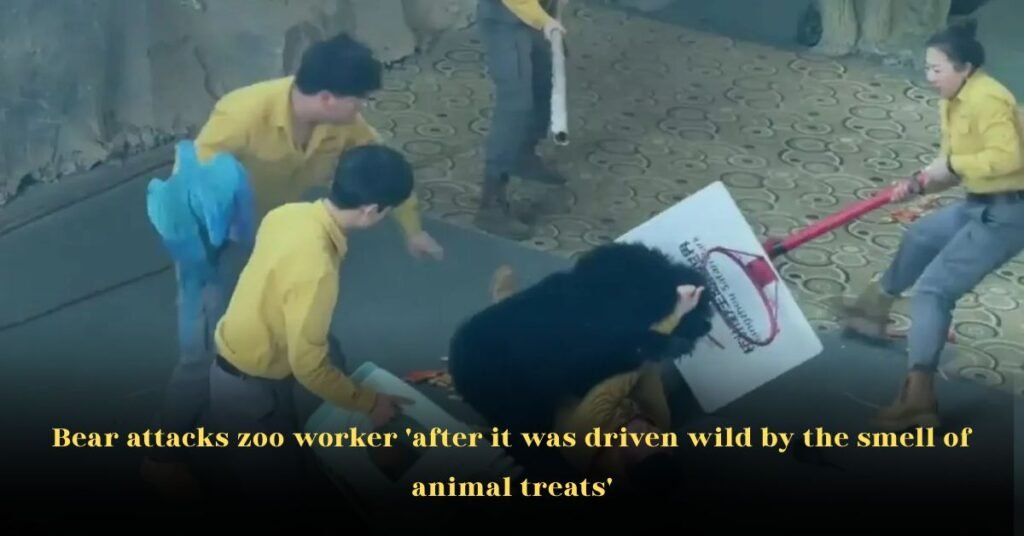
After the attack, the park staff tried hard to save the keeper. They ran onto the stage right away and used anything they could find to hit the bear and get it off the handler. They used chairs, long wooden sticks, a basketball hoop, and even a colorful fake parrot. They were desperate and chaotic in their attempts to stop the angry animal.
The fight lasted about 40 to 46 seconds. Finally, the staff pulled the black bear away from the injured keeper and rushed Xiong Er backstage. Even though the video looked very scary, the official reports said that both the keeper and the bear were okay. They did not have serious or life-threatening injuries. But this close call was a serious warning about safety and emergency plans at Chinese zoos.
Park Authorities Respond: Show Cancellations and Safety Pledges
After the video spread everywhere, the leaders of Hangzhou Safari Park made an official statement. They said the bear’s action was directly caused by the keeper carrying food and the bear being “triggered by the smell of the treats.” Being honest about the cause was a good first step. But their actions afterward were even more important.
The park stopped all black bear shows right away and for good. The bear, Xiong Er, was completely taken out of public shows and moved to a bigger cage where it can just be watched and not stressed by performing. Also, park officials promised to check all their safety rules, what they do in emergencies, and how they train their staff to stop this from happening again. This promise shows that the park knows its safety rules were not good enough to handle a strong trigger like food. This event gives a lesson on how to make wildlife safety better in that province and other places.
ALSO Read: Marjorie Taylor Greene Says She Will Vote ‘NO’ on Proposed NDAA, Blasts Foreign Aid Spending
Public Outcry Ignites China’s Animal Welfare Debate
The video of the bear attack quickly caused a huge reaction on social media. People were shocked, and then they became very angry at the park. People online and news reporters criticized not just the park managers but the whole idea of animal shows. Many people questioned if it is ethical to force big, smart, and possibly dangerous animals to do strange performances for people’s fun. This wide criticism shows that more people in China want better animal care and want zoos to stop circus-style acts and become more modern.
Animal-welfare groups were quick to say again that when wild animals are kept in small spaces and forced to perform with bright lights, noise, crowds, and strange cues, the chance of them acting out or defending themselves goes up a lot. They believe these kinds of commercial shows are dangerous for both the staff and the animal’s mental health.
The Broader Risks of Captive Wildlife Performances
The attack at Hangzhou is not the first event like this. It is part of a larger pattern worldwide that shows the dangers of using big, captive predators in close contact with people. Experts around the world constantly warn that even animals that seem “calm” or trained still have their wild instincts.
Forcing animals like bears into situations where a powerful instinct, like the desire for food, is triggered in a strange, high-pressure environment is very risky. The conflict between the animal’s wild nature and the demands of performance training creates constant stress. This stress can cause problems with their behavior and, most importantly, lead to aggressive or defensive attacks when something simple, like the smell of food, breaks their concentration.
In the end, the incident at Hangzhou Safari Park is a clear reminder. The right way for modern zoos to work is to focus on conservation, teaching people, and letting people watch the animals, not on using them for entertainment shows. The discussion started by this viral attack puts a lot of pressure on the Chinese authorities to stop these risky performances and make sure the captive wild animals and the public are safe and treated ethically.
Disclaimer
The news information presented here is based on available reports and reliable sources concerning the incident at Hangzhou Safari Park. Readers should cross-check updates from official news outlets and park statements.