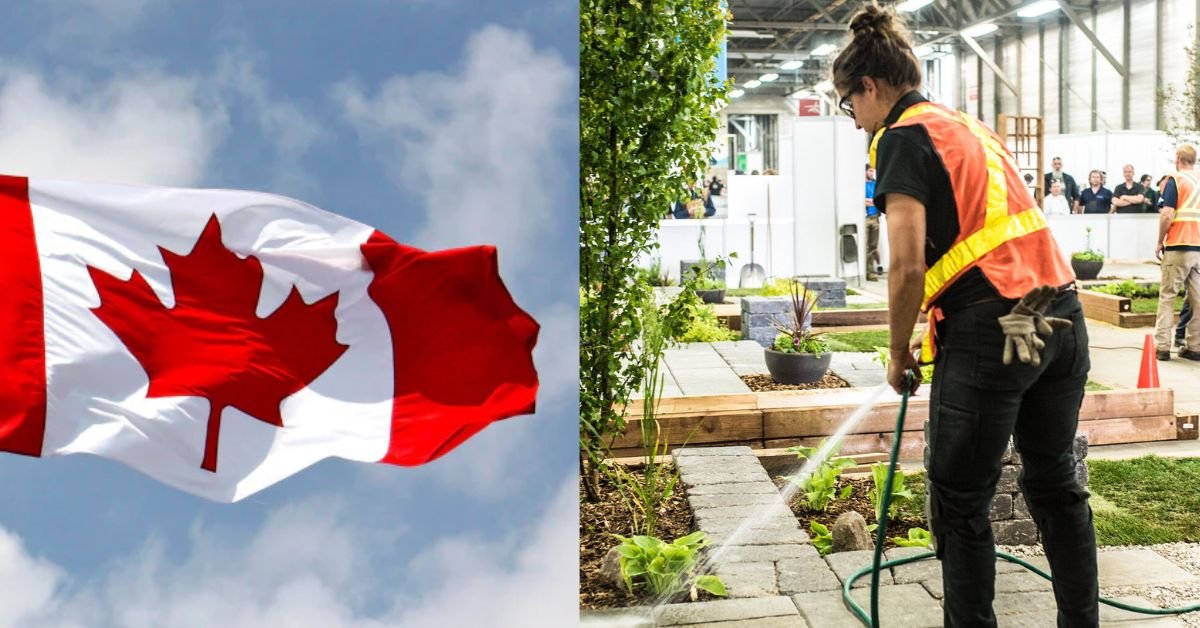
Canada Seasonal Worker Visa Jobs – How to Apply
Most people would love to have an opportunity to work in Canada on a seasonal basis because it provides an opportunity to enjoy the breathtaking sites in the country and at the same time earn good salaries. This opportunity is anchored in the Temporary Foreign Worker Program (TFWP), and especially the Seasonal Agricultural Worker Program (SAWP).
Knowing the Seasonal Work Programs in Canada
To embark on your quest, you need to know the two major streams in which foreigners can get seasonal jobs in Canada.
Seasonal Agricultural Worker Program (SAWP)
The specialized program is meant to fill the labour requirements of the Canadian farmers at peak seasons mostly as fruit picking jobs Canada and greenhouse jobs.
- Eligibility: SAWP is available only to Mexican and some Caribbean citizens (Jamaica, Barbados, and Trinidad & Tobago).
- Period: The workers may remain and work in Canada, to a limit of eight months between the 1 st of January and 15 th of December.
- Significant Advantage: A lot of the logistics is done by the employer, such as the accommodation of subsidized seasonal workers and their transport in Canada.
How to Apply for SAWP & TFWP
The procedure involves the Canadian employer securing a favourable LMIA (Labour Market Impact Assessment), which is the demonstration of necessity of a foreign employee.
Find a Canadian Employer Offer a Job
It is the most important initial step. A job contract with a signature is a precondition to apply to a work permit.
- Where to Find: Seasonal farm jobs Canada is frequently posted at the federal Job Bank site by Canadian farmers and other agricultural enterprises.
- SAWP Details: In order to apply, you have to do so through your country specific government agency (e.g., Ministry of Labour).10 You can do not apply to the employer directly.
The Employer makes an LMIA application
The LMIA confirms that your potential employer submits a request to the Employment and Social Development Canada (ESDC) (LMIA).
There is a need for the worker.
There is no Canadian citizen or permanent resident who is available to perform the job.
Accept Your Favorable LMIA and Job Contract
In case of approval, the employer is issued a favorable LMIA letter. They must then send you:
- In case of a positive LMIA-approved job offer, a copy thereof.
- The employment agreement signed by employer.
Begin Your IRCC Work Permit application
Having the LMIA and the contract, you are now going to file an online application of your IRCC work visa with Immigration, Refugees and Citizenship Canada (IRCC).
Collect work permit Canada Documents
To prevent delays, a bundle of applications is necessary.14 Make sure that you have the following available:
- Valid Passport (Should be valid throughout the period of work).
- Your copy of the job offer letter and positive LMIA.
- Police Clearance Certificate (PCC) Canada visa of your home country.
- Evidence of work experience (preferably in farming or agriculture).
- Canadian seasonal work medical exam (must do this if you are working in primary agriculture or food processing).
- Evidence of funding of Canada work visa (not necessarily a mandatory requirement of TFWP, but it is good practice to demonstrate that you can afford yourself in the early stages).
Biometrics and Medical Exam
You will need to come to a Biometrics appointment Canada (fingerprints and photo) at a Visa Application Centre (VAC) in your home country and, where necessary, take the medical examination with an IRCC-approved panel physician.
Accept Your Letter of Introduction (POE)
After a work permit is granted, IRCC will issue you with a POE Letter of Introduction (Port of Entry). It is not a work permit but when you get into Canada you will be given your work permit by the border services officer who will give you the official work permit based on your employer.
Top Seasonal Jobs and Wages
Most jobs of Canada seasonal workers visa are classified under the National Occupational Classification (NOC) codes of primary agriculture:
- NOC 85101 (Harvesting labourers): This is the classical fruit picking work in Canada (berries, apples, grapes) and harvesting of vegetables.
- NOC 85103 (Nursery and greenhouse labourers): Work in regulated all year round settings and in plant cultivation.
SAWP Wages and Benefits
When a TFW works under the SAWP and TFWP, the employer shall pay the TFW the greater of:
- The current amount of remuneration of the job in the area.
- Minimal wage in the provinces or territories.
- The annual wage rate charged by ESDC on the program.
- Workers also get compulsory benefits and these are workplace safety insurance, personal emergency health insurance during the first few years and guarantee of working hours.
In addition to Seasonal Work PR Pathway of agricultural workers
To a great number of employees, a seasonal visa is a stepping stone. Canada has specific immigration tracks to skilled agricultural labour.
The Agri-Food Immigration Pilot is an excellent model of PR pathway of agricultural labourers.26 It focuses on those non-seasonal, skilled workers in certain sectors (such as mushroom production, meat processing, and year-round greenhouse workers) who are interested in establishing a permanent residence in Canada.
FAQs
Does that mean that I can seek a Canada seasonal work visa when I am not a SAWP country?
Yes. Unless you are Mexican or one of the other eligible Caribbean nations, you can apply under the Temporary Foreign Worker Program (TFWP) Agricultural Stream. The most important consideration is to get a positive LMIA-approved job offer initially by a Canadian employer.
How long is the mean work permit application processing time?
Processing time is highly dependent on the number of applications and the visa office where you are filing your file. The processing time of your personal work permit application may take a few weeks to several months after your employer receives a positive LMIA (around 11-16 business days). The official IRCC website has the latest estimates.
Is my flight and accommodation paid by my employer?
Canadian employers under the SAWP must cover the cost of the round-trip travel expenses and also offer affordable, subsidized, and inspected seasonal worker accommodation Canada.31 In the case of the general TFWP Agricultural Stream, the employer is obliged to pay the transportation and also provide low-cost and affordable accommodation, though there may be variations in the recovery of the traveling expenses.
Final Thoughts
The Canada Seasonal Worker Visa programs are critical to Canada’s vibrant agricultural sector, offering rewarding opportunities for foreign workers. Success hinges on targeting the correct program (SAWP vs. TFWP), ensuring your employer has a valid LMIA, and meticulously preparing your required documents for work permit Canada. By following this step-by-step guide, you are well-equipped to navigate the application process and secure your seasonal job in Canada.
Disclaimer
This article is for informational and educational purposes only. The information regarding Canadian immigration programs and job applications, including the SAWP and TFWP, is based on public government data. Readers are strongly advised to verify all application steps, processing times, fees, and eligibility criteria directly on the official IRCC (Immigration, Refugees and Citizenship Canada) and ESDC (Employment and Social Development Canada) websites before making any application decisions.